What’s In This Guide
- These Four Towns Are Closer Than They Look on a Map
- Brookfield, Danbury, Newtown, and New Milford at a Glance
- How Commute and Transportation Compare
- Lake Access, Outdoor Space, and Everyday Lifestyle
- Shopping, Inventory, and Price Expectations
- How to Compare Brookfield, Danbury, Newtown, and New Milford Step by Step
- Why Local Guidance Matters for This Kind of Comparison
- Frequently Asked Questions
- Ready to Compare Brookfield, Danbury, Newtown, and New Milford in Person?
Buyers relocating to western Connecticut often start their search the same way: a map, four town names, and a list of realtors nearby that keeps growing the longer they scroll. Brookfield, Danbury, Newtown, and New Milford are located within the same broader western Connecticut area and share the same regional job market, while Brookfield, Danbury, and New Milford all border Candlewood Lake. That closeness is exactly what makes the choice harder, not easier.
Quick Facts
- Danbury operates as the regional hub with approximately 89,033 residents, offering denser neighborhoods and commercial activity.
- Newtown has about 28,183 residents, and New Milford has about 28,941 residents based on July 1, 2025 Census estimates, with both communities generally having a less dense residential footprint than Danbury.
- Brookfield has about 18,566 residents and features direct frontage on Candlewood Lake, Connecticut’s largest lake at roughly 5,420 acres with 65 miles of shoreline.
- Danbury is the only town among the four with its own commuter rail stations on Metro-North’s Danbury Branch.
- Danbury records a mean travel time to work of 29.9 minutes for workers age 16 and older based on Census estimates.
These Four Towns Are Closer Than They Look on a Map
Danbury operates as the regional hub with roughly 89,033 residents, offering denser neighborhoods and greater commercial activity.
In contrast, Newtown has about 28,183 residents and New Milford has about 28,941 residents based on July 1, 2025 Census estimates, with both communities generally having a less dense residential footprint than Danbury.
Meanwhile, Brookfield’s population is about 18,566 residents, based on the 2025 population estimate, standing out as one of only three towns in this comparison with direct Candlewood Lake frontage. The four communities are close enough that buyers often consider more than one of them during the same home search, particularly when comparing commuting, shopping, housing, and access to Candlewood Lake.
That proximity is why so many relocation searches for realtors near Brookfield, CT, end up widening to include nearby towns like Danbury, Newtown, and New Milford almost immediately. The towns offer overlapping housing options, including single-family homes and townhouses, while their locations provide different levels of access to I-84 and other regional routes. What differs is scale, density, and how each town has grown around its own center.
Brookfield, Danbury, Newtown, and New Milford at a Glance
Here is how the four towns compare on the numbers buyers ask about most. Each town name links to our local page for that market.
| Town | Median Home Value | Mill Rate (FY 2026-27) | Mean Commute | Land Area and Density | Public School District |
| Brookfield | $479,700 | 29.97 | 28.2 min | 20.4 sq. mi., about 910 people per sq. mi. | Brookfield Public Schools |
| Danbury | $411,200 | 25.23 | 29.9 min | 44.3 sq. mi., about 2,010 people per sq. mi. | Danbury Public Schools |
| Newtown | $546,200 | 29.26 | 34.2 min | 60.4 sq. mi., about 470 people per sq. mi. | Newtown Public Schools |
| New Milford | $391,500 | 27.10 | 30.3 min | 63.7 sq. mi., about 450 people per sq. mi. | New Milford Public Schools |
How Commute and Transportation Compare

Danbury is the only one of the four towns with its own commuter rail stations, which matters most for buyers who want direct access to Metro-North service within their municipality. Metro-North’s Danbury Branch runs through Danbury and Bethel before connecting to the New Haven Line at South Norwalk, where riders transfer toward Grand Central Terminal.
Buyers settling in Brookfield, Newtown, or New Milford who use Metro-North generally need to drive to a nearby Danbury Branch station, since those towns do not have direct Metro-North rail service. Danbury’s reported mean travel time to work is 29.9 minutes for workers age 16 and older, based on 2020–2024 Census estimates, providing a useful local benchmark even though individual commute times vary by workplace and route.
What This Means for a Home Search
- Brookfield residents using Metro-North generally need to drive to a nearby Danbury Branch station.
- Newtown does not have direct Metro-North service, making driving an important part of many regional commutes.
- New Milford is the farthest north of the four and generally requires a longer drive to reach a Danbury Branch station.
- Danbury is the only one of the four municipalities with its own Metro-North stations.
Lake Access, Outdoor Space, and Everyday Lifestyle
Candlewood Lake is a defining feature for three of these four towns, but not all four. The Candlewood Lake Authority confirms the lake, Connecticut’s largest at roughly 5,420 acres and about 65 miles of shoreline, is bordered by Brookfield, Danbury, New Fairfield, New Milford, and Sherman. Newtown sits outside that boundary entirely.
Brookfield, Danbury, and New Milford offer neighborhoods near Candlewood Lake for buyers seeking water access. Access varies by home, as proximity does not guarantee private beach, dock, or community privileges. Review zoning and floodplain basics before making property changes.
Beyond the water, town feel varies just as much:
- Brookfield combines a compact town center with quieter residential streets set back from Federal Road.
- Danbury offers the broadest mix of housing types, from single-family homes to condominiums, multi-family properties, and townhouses, alongside city-level services and a larger retail base.
- Newtown reads as more residential and spread out, with larger parcels common outside its town center.
- New Milford covers the most land area of the four and tends to feel the most rural, particularly north and west of its downtown.
Shopping, Inventory, and Price Expectations
Danbury’s larger population and retail base translate into the widest range of everyday shopping and dining options among the four towns, along with the broadest mix of property types for buyers weighing a condo against a single-family home. Brookfield and Newtown generally offer fewer big-box options but keep most daily errands within a short drive of home.
Housing options in Brookfield, Newtown, and New Milford include many single-family homes, while Danbury also offers condominiums, townhouses, multi-family properties, and single-family homes within a denser footprint. None of that determines price on its own. Lot size, lake proximity, property condition, housing type, market conditions, and how long a specific listing has been on the market can all affect the asking price.
A buyer undertaking a homebuyer comparison across these four towns is better served by reviewing current, town-specific listing data than by assuming one town is categorically less expensive than another. Buyers shopping the mid-range can see how far $600K to $800K goes in Brookfield as one reference point.
How to Compare Brookfield, Danbury, Newtown, and New Milford Step by Step
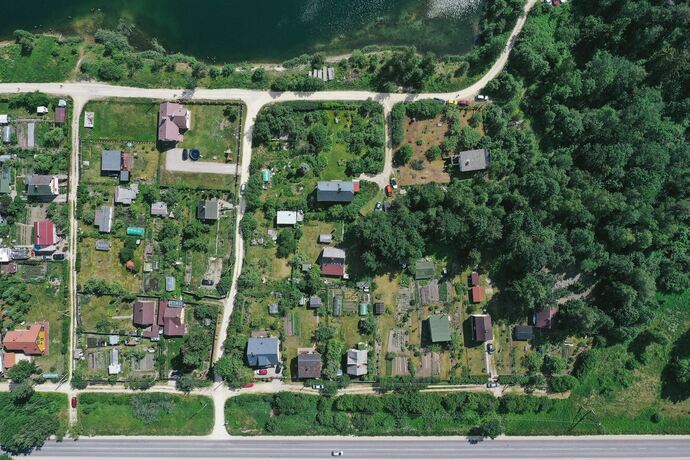
Buyers can make the comparison more manageable by working through these towns methodically rather than scrolling four separate listing feeds.
Step 1: Map Your Actual Commute
Plot the real drive or transit route from each town center to your workplace, not just the distance as the crow flies. If Metro-North matters to your routine, weigh how much extra drive time a Brookfield, Newtown, or New Milford address adds before reaching a Danbury or Bethel platform.
Step 2: Decide How Much Lake Access Matters
If boating, a lakefront lot, or summer weekends on the water are priorities, narrow your search toward Brookfield, Danbury, or New Milford neighborhoods near Candlewood Lake. If a lake is not a requirement, Newtown’s inland setting opens up more of the search.
Step 3: Match Lot Size and Housing Type to Your Lifestyle
Decide early whether you want a condominium or townhouse with lower exterior maintenance, more common in Danbury, or a larger single-family lot, more typical in Brookfield, Newtown, and New Milford. Either choice affects long-term resale value, so weigh how each home type may appeal to future buyers.
Step 4: Tour Town Centers, Not Just Listings
Spend time in each downtown area on a weekday and a weekend. Photos on a listing page rarely capture how a town center actually feels day to day.
Step 5: Review Current Local Listings Together
Once a town or two rises to the top, review live inventory with a local agent to see how current pricing, lot size, and days on market compare within your actual budget.
Why Local Guidance Matters for This Kind of Comparison
Comparing four towns at once is different from comparing four houses. A listing page shows square footage and price, but it will not tell a buyer which neighborhoods sit closest to train platforms, which streets fall inside lake-access communities, or how larger parcel sizes in one area change what a similar budget buys in another.
Working with an experienced local agent provides deeper insight into market trends, community nuances, and neighborhood values. That local expertise helps buyers turn a complex four-town comparison into a clear shortlist. It also supports move-up buyers who need to sell first, as a pre-listing checklist for a Brookfield home can be prepared alongside their search.
Frequently Asked Questions

Do property taxes differ between Brookfield, Danbury, Newtown, and New Milford?
Yes. Property tax obligations vary by municipality based on factors including a property’s assessed value and the applicable municipal tax rate. Buyers should compare the current tax bill for individual homes rather than assuming similarly priced properties in different towns will carry the same annual tax cost.
Does living near Candlewood Lake automatically include lake access?
No. Being close to Candlewood Lake does not necessarily mean a property includes private beach, dock, or community access rights. Buyers interested in lake access should verify what rights, association memberships, or deeded privileges come with a specific property before making an offer.
What should buyers check when comparing homes near a town boundary?
Confirm the property’s actual municipality, school district, tax jurisdiction, utility providers, and mailing address. Homes near town lines can appear closely connected to a neighboring community even though municipal services and taxes are determined by the property’s legal location.
Should buyers compare current inventory before choosing one of these towns?
Yes. Inventory changes quickly, and housing types, lot sizes, and price points vary by town. Reviewing live listings shows which areas fit your budget and priorities. If you are considering a new build, review the questions to ask before buying new construction as well.
Should I work with one agent across all four towns or a separate agent in each?
Most buyers comparing Brookfield, Danbury, Newtown, and New Milford can work with one local agent who is familiar with all four markets. This keeps communication, listing alerts, property comparisons, and negotiation strategy consistent as the search moves between towns.
Ready to Compare Brookfield, Danbury, Newtown, and New Milford in Person?

Lavelle Remax helps buyers and sellers navigate these four western Connecticut towns with local knowledge that goes beyond what a listing feed can show. That local perspective gives buyers a clearer starting point before the first showing.
Talk with a local agent who can walk through how these four towns compare against your own commute, budget, and lifestyle priorities.


