Table of Contents
What Is the Single Most Important Factor That Determines a Home’s Value?
What Devalues a House the Most?
What Is the Most Significant Red Flag That Can Appear During a Home Inspection?
What Improvement Boosts a Home’s Value the Most?
Get Expert Guidance for Selling a Home in CT!
Key Takeaways
✔ A home’s value is driven primarily by location and overall condition, with buyers placing a premium on properties that feel well maintained and move-in ready.
✔ First impressions, maintenance history, and functional systems play a major role in how buyers perceive value and determine their offer price.
✔ Inspection red flags related to structure, water intrusion, or major systems often have the strongest impact on negotiations and buyer confidence.
✔ Strategic updates that improve comfort, efficiency, and usability tend to protect value more effectively than cosmetic overhauls alone.
✔ Preventing value loss through proper upkeep and informed preparation is often more impactful than adding new features right before selling.
For homeowners thinking about selling, refinancing, or even staying put long term, understanding what hurts a home’s value is just as important as knowing what helps it. Buyers today are more informed, inspections are more detailed, and pricing mistakes are far less forgiving than they were a decade ago.
Drawing on insights consistently shared by Brookfield, CT real estate agents, here’s a breakdown of the most common issues that reduce property value in the local market and what homeowners can do to avoid costly missteps. This is especially important when selling a house as is, since buyers price in risk faster when the condition is unclear.
What Is the Single Most Important Factor That Determines a Home’s Value?
Ask any experienced professional, and the answer is consistent: location and condition.
While homeowners can’t change where their property sits, they have significant control over how well it shows, functions, and holds up under scrutiny. Knowing how to stage a house helps highlight strengths and reduce attention on minor flaws buyers might otherwise fixate on.
In Brookfield, value is shaped by neighborhood appeal, school districts, lot size, and proximity to amenities, but condition often becomes the deciding factor between two otherwise similar homes. Buyers compare properties side by side, and even small issues can tip the scale when deciding where to place an offer.
Homes that feel well cared for, mechanically sound, clean, and move-in ready, almost always command stronger offers than those that appear neglected, even if the latter are larger or in similar locations.
What Devalues a House the Most?
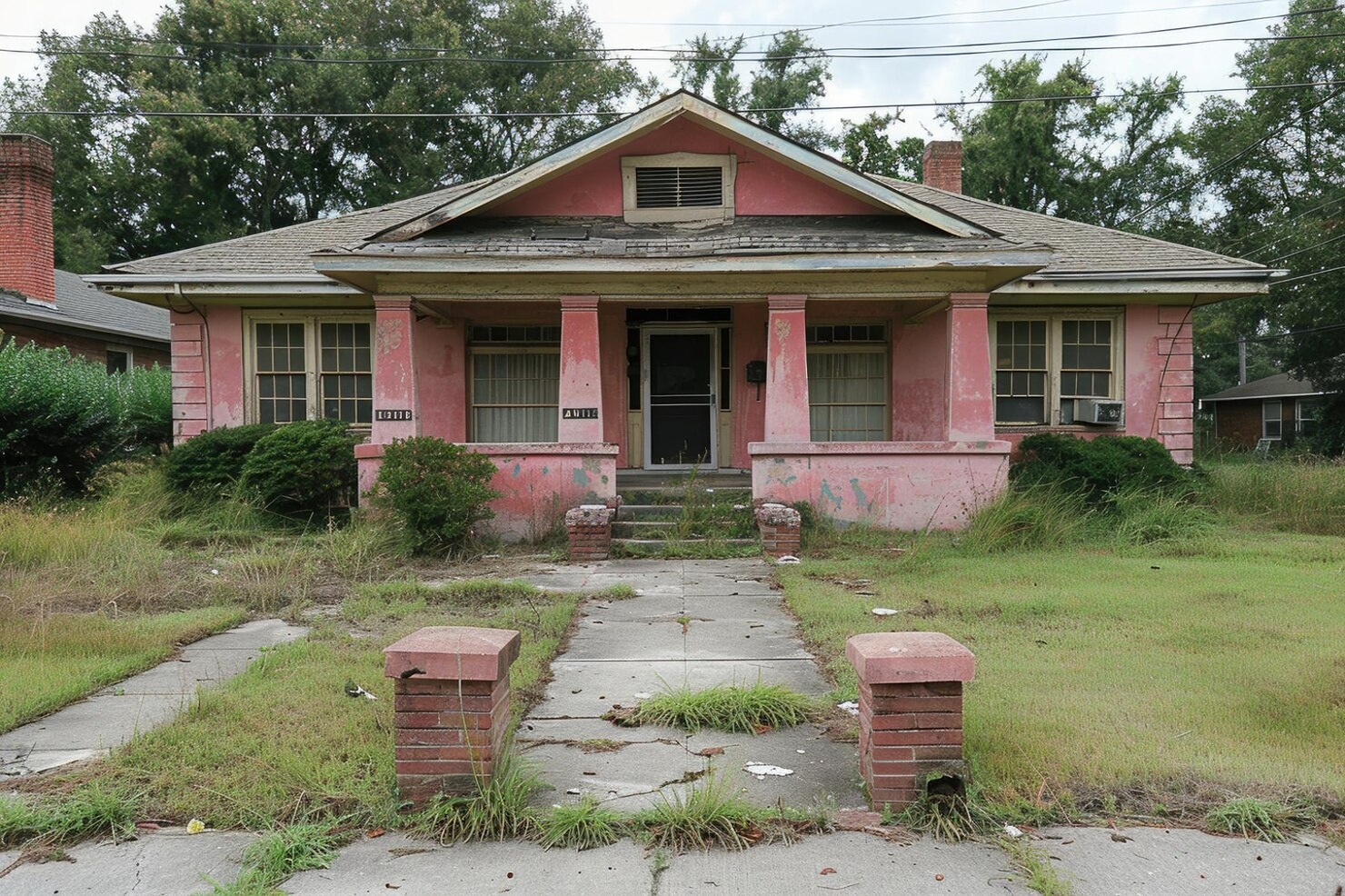
1. Poor Curb Appeal and Landscaping
According to real estate agents in Brookfield, CT, the exterior sets expectations before a buyer ever steps inside. In Brookfield’s competitive market, a neglected exterior can quickly reduce perceived value and make buyers assume the home hasn’t been well cared for. Even simple curb-side prep is part of how to stage a house for stronger first impressions and better photos.
Exterior First Impressions
- Overgrown lawns and shrubs: Buyers read untrimmed landscaping as a sign routine upkeep has been ignored. Tall grass and dense bushes can hide grading problems, pests, or damaged paths. Many buyers reduce offers to cover immediate cleanup and restoration.
- Peeling paint or worn siding: Weathered finishes make the home look older and less protected from the elements. Wear can also hint at moisture exposure that leads to rot or insect activity. Buyers often assume larger repairs are needed and price the risk into offers.
- Cracked walkways or driveways: Uneven surfaces raise safety concerns and make entry areas feel neglected. Freeze-thaw cycles can worsen cracks, so buyers expect ongoing repairs. Appraisers and buyers may treat this as deferred maintenance that justifies a lower price.
2. Neglected Maintenance
Deferred maintenance is a major reason buyers negotiate hard or walk away. Neglected repairs become even more expensive in negotiations when selling a house as is, because buyers expect fewer seller fixes. Homes with obvious issues are viewed as higher-risk purchases rather than move-in ready options.
Hidden and Visible Wear
- Roof issues: Missing shingles or visible aging suggest the roof may need replacement soon. Water intrusion can quietly damage insulation, drywall, and framing. Real estate agents in Brookfield, CT say that buyers often subtract the cost of a new roof and request credits if leaks are found.
- Plumbing leaks: Stains, musty odors, or slow drains point to ongoing moisture problems. Leaks can damage cabinets, subfloors, and walls while increasing mold concerns. Many buyers either demand repairs or lower their offer to cover likely hidden damage.
- Electrical problems: Outdated panels or questionable wiring raise serious safety concerns. Insurance or lenders may require licensed repairs before closing. Buyers also worry that other behind-the-wall work may have been handled improperly.
3. Outdated Kitchens and Bathrooms
Kitchens and bathrooms heavily influence how buyers judge the entire home. When they feel dated, buyers mentally deduct renovation costs and often discount more than the true upgrade price. Understanding how to stage a house in kitchens and baths can keep offers from dropping.
Buyer Perception of Dated Spaces
- Old cabinetry and countertops: Worn finishes make the home feel behind current expectations, even if it’s clean. Buyers assume costs for demolition, new surfaces, and possible layout changes. Water wear around sinks can also suggest additional repairs.
- Outdated fixtures and lighting: Older fixtures and dim lighting make rooms feel smaller and less inviting. Poor lighting can emphasize shadows and make spaces look less fresh in photos. Buyers commonly add fixture upgrades to their immediate to-do list and adjust offers.
- Worn flooring or tile: Cracked tile and stained grout signal age and heavy wear. Buyers may worry about moisture under the surface, especially in bathrooms. Replacement is disruptive, so many buyers negotiate downward to offset the hassle.
4. Bad Diy Projects
Poor DIY work creates distrust because buyers assume visible shortcuts may hide bigger issues. Inspectors also tend to scrutinize amateur work more closely, which can lead to tougher repair requests.
Quality and Compliance Issues
- Unpermitted renovations: Missing permits can create appraisal, lender, and legal headaches during the sale. Buyers worry the town could require corrections or additional inspections. Many demand a price reduction to offset the risk and delay potential.
- Uneven flooring or trim: Sloppy finishes make the home feel lower quality and poorly maintained. Uneven floors can hint at moisture, settlement, or bad installation. Buyers often view cosmetic flaws as a warning sign and discount accordingly.
- Improper electrical or plumbing work: DIY wiring or plumbing raises safety and code concerns immediately. Inspectors may require a licensed evaluation, which can uncover more problems. Buyers often ask for professional repairs or negotiate credits to avoid liability.
5. Over-Personalization
Highly customized design choices can narrow the buyer pool. When buyers can’t picture their own style in the home, they hesitate or lower offers.
Design Choices That Limit Appeal
- Bold or unconventional paint colors: Strong colors distract buyers and make rooms feel less move-in ready. Repainting becomes an immediate cost, especially if multiple rooms are affected. Online photos can also suffer, reducing showings and competition.
- Niche built-ins or themed rooms: Custom features can limit flexibility and reduce usable space. Buyers may see them as obstacles to their own furniture and layout needs. Many budget for removal or changes and adjust their offer accordingly.
- Unusual layouts: Awkward flow can make everyday living feel less practical. Buyers worry the layout will hurt resale value, even if the home is updated. A functional mismatch often pushes buyers toward more conventional listings.
6. Structural and Major System Issues
Structural and system problems have the biggest impact on value because they feel expensive and uncertain. They can also limit financing options, which reduces the number of qualified buyers.
High-Risk Defects
- Foundation cracks: Cracks may indicate movement, settlement, or water pressure. Buyers often assume worst-case scenarios until an expert evaluates the issue. The uncertainty alone can reduce offers because structural repairs feel unpredictable.
- Water intrusion or mold: Moisture leads to stains, odors, and deterioration of building materials. Mold concerns trigger health worries and possible remediation costs. Buyers negotiate aggressively because water problems can return if not fully solved.
- Aging HVAC systems: Older systems suggest higher bills and replacement costs soon. Reliability becomes a concern, especially during New England winters. Buyers often ask for service history and use age as leverage during negotiations.
7. Lack of Energy Efficiency
Energy costs matter more than ever, and inefficient homes feel expensive to own. Buyers often discount homes that lack basic efficiency upgrades because the monthly costs add up quickly.
Efficiency Red Flags
- Poor insulation: Inadequate insulation causes drafts and uneven temperatures throughout the home. Utility bills may reflect the inefficiency, which buyers take seriously. Upgrades can be disruptive, so buyers often lower offers to compensate.
- Old windows and doors: Drafty windows and doors reduce comfort and increase heating and cooling costs. Condensation, sticking frames, and outside noise can make the home feel lower quality. Replacement costs add up fast, so buyers treat this as a major budget item.
- Inefficient heating systems: Older boilers or furnaces can be costly to run and less dependable. Buyers worry about emergency breakdowns and limited parts availability. Even if the system works, inefficiency can reduce offers due to predictable higher bills.

What Is the Most Significant Red Flag That Can Appear During a Home Inspection?
While inspection reports can be lengthy, certain findings stand out as deal-breakers. Foundation problems and water intrusion consistently rank at the top. When selling a house as is, those same findings often trigger steeper credits because buyers assume additional hidden issues.
Water issues suggest ongoing maintenance challenges and potential health concerns, while foundation problems raise questions about long-term stability. Buyers often view these issues as open-ended expenses, which makes them especially damaging to perceived value.
Experienced real estate agents in Brookfield, CT often recommend pre-listing inspections so sellers understand potential red flags before buyers discover them. This allows for strategic repairs, pricing adjustments, or transparent disclosures that reduce surprises later in the transaction.
What Improvement Boosts a Home’s Value the Most?
There’s no single upgrade that guarantees maximum return, but patterns are clear. Maintenance and functionality consistently outperform flashy renovations.
Well-maintained systems, clean and neutral interiors, energy efficiency improvements, and refreshed kitchens or bathrooms tend to offer the strongest value protection. These upgrades reduce buyer uncertainty and inspection risks, which are two of the biggest drivers of price reductions.
Brookfield, CT, real estate agents who regularly guide sellers through what devalues a house often emphasize that preventing value loss is just as powerful as adding new features. In many cases, fixing existing problems yields a better return than over-improving a property
Frequently Asked Questions
Should homeowners fix everything before listing their home?
Not every issue needs to be repaired before listing, but prioritization matters. Buyers are most sensitive to problems that affect safety, structure, or major systems. Cosmetic flaws are often more negotiable than issues that raise inspection or financing concerns. A strategic approach guided by local market expectations usually delivers better results than fixing everything blindly.
Does pricing a home lower offset known condition issues?
Pricing can help compensate for condition problems, but it doesn’t eliminate buyer hesitation. Many buyers still struggle to visualize the total cost and effort involved, even with a lower price. If pricing isn’t aligned accurately, the home may sit longer and invite further reductions. Clear strategy and disclosure are key when relying on price alone.
How early should homeowners think about resale value?
Resale value should be considered long before a home goes on the market. Maintenance habits, renovation choices, and personalization decisions all compound over time. Thinking ahead helps homeowners avoid changes that feel appealing short-term but hurt value later. Even owners not planning to sell soon benefit from resale-minded decisions.
Can staging really impact a home’s final sale price?
Staging often influences how quickly a home sells and how strong the offers are. It helps buyers emotionally connect with the space and understand its functionality. Well-presented homes tend to feel more move-in ready, which reduces buyer resistance. That perception alone can support stronger pricing.
Are buyers more forgiving of older homes?
Buyers generally accept age, but not neglect. Older homes that are well maintained often perform better than newer homes with visible issues. Buyers expect updates over time, but they also expect systems to work properly. Condition still outweighs age in most purchasing decisions.

Get Expert Guidance for Selling a Home in CT!
Selling in a competitive market requires experience, precision, and local insight. Our agents in Danbury, CT, help clients navigate the Brookfield real estate market with a smart pricing strategy, thoughtful preparation, and clear next steps. From presentation to negotiation, Lavelle Remax supports Brookfield sellers with a results-driven approach backed by regional expertise.
Contact Lavelle Remax today to schedule a consultation and get personalized guidance for selling in Brookfield!
Disclaimer: This article is provided for general informational purposes only and does not constitute real estate, legal, tax, financial, or investment advice. Market conditions, property values, and buyer expectations can vary significantly by neighborhood, property condition, timing, and individual circumstances, so results may differ from one home to another. Any references to pricing strategies, inspections, repairs, or negotiations are general in nature and should not be relied on as a substitute for professional guidance. For advice specific to a particular property or transaction, consult a licensed real estate professional and, where appropriate, a qualified attorney, inspector, contractor, or tax advisor.


