What’s in This Guide
- Home Inspection Checklist at a Glance: The Four Extra Checks
- Septic System Inspection: What to Check Before You Commit
- Well Water Testing in CT: What to Test For and When
- Radon Testing in Connecticut Homes: How to Read the Results
- Oil Tanks: What to Ask Before You Close
- What Connecticut’s Seller Disclosure Report Tells You (and What It Doesn’t)
- How to Fit These Checks Into Your Offer Timeline
- Frequently Asked Questions
- Talk Through Your Inspection Plan With a Brookfield Agent
A general home inspection covers the roof, the furnace, the electrical panel, and the plumbing you can see. It does not automatically cover what is buried in the yard, flowing from a well, rising through the foundation, or sitting in a tank. A strong home inspection checklist for Connecticut buyers adds four specialty checks: the septic system, the private well, radon, and any heating oil tank.
Depending on the property, you may be buying one, two, or all four of those things along with the house. In Brookfield and across western Connecticut, that makes each one worth its own line on your list and its own spot on your offer timeline.
Here is what each check involves, who typically performs it, and how to read the results before you close.
Quick Facts
- A standard inspection does not replace specialty checks. Ask every inspector exactly what is included and what is excluded.
- Septic records, pumping history, and a hands-on inspection by a septic professional tell you far more than a seller’s “it’s always worked fine.”
- Connecticut does not generally require private well testing at sale, so well water testing is a choice you make as a buyer, and lenders often require it.
- Radon is measured in the air on the lowest livable level of the home, and the EPA’s action level is 4 pCi/L.
- Oil tank questions come down to paperwork: location, age, leak history, and proof of any removal or cleanup.
Home Inspection Checklist at a Glance: The Four Extra Checks
| Check | What you are confirming | Who typically handles it |
| Septic system | Condition, pumping history, permit records | Septic service provider, plus town health department records |
| Private well | Water quality, flow, and equipment condition | State-certified lab, well contractor |
| Radon | Indoor air level on the lowest livable floor | Qualified radon tester |
| Oil tank | Location, age, leaks, removal paperwork | Home inspector, seller records, cleanup professional if needed |
Septic System Inspection: What to Check Before You Commit
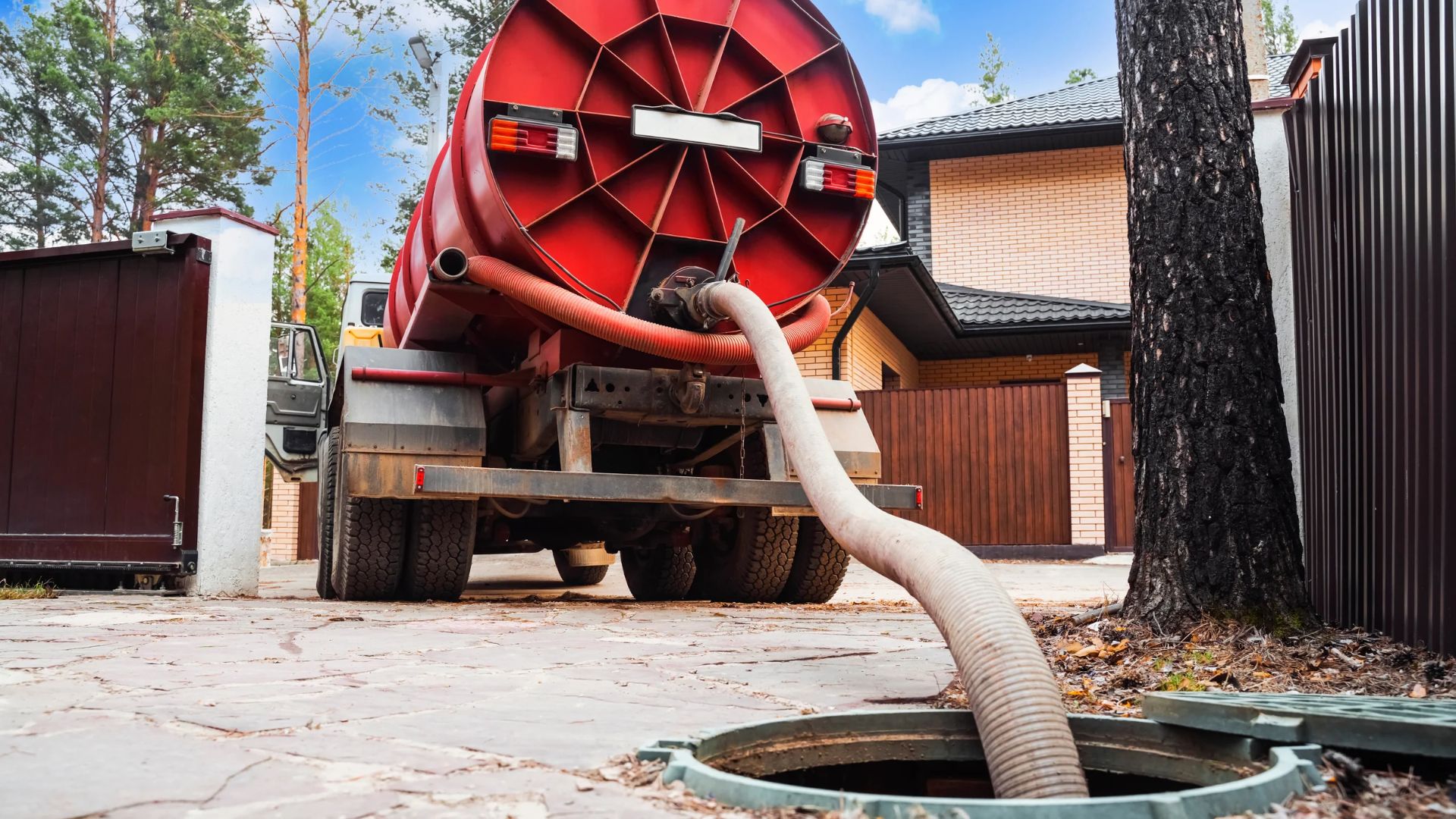
Septic systems are buried, so small problems stay hidden until they become large ones. The EPA’s septic guide for homebuyers recommends having the system inspected by a septic service provider before you buy and notes that the typical system lasts 15 to 40 years with proper care.
In Brookfield, the Health Department is responsible for enforcing the state’s septic rules. Per the town’s septic systems page, a new system needs a design from a professional engineer or licensed installer, approval from the town sanitarian, and a permit to discharge before use. That paper trail is exactly what you want to see for the home you are considering. Local rules and records vary by town, so buyers comparing Brookfield, Danbury, Newtown, and New Milford homes should check each town’s health department.
Put these on your septic list:
- Records: Request the as-built plan, permit history, and service records. The town’s septic page links to a search tool for as-builts and service records.
- Pumping history: The Brookfield Health Department recommends pumping every two years, while the EPA describes inspection and pumping every three to five years as typical. Ask the seller for dates and the name of the service company.
- Tank and components: Ask the provider whether the tank will be opened so the interior, outlets, and liquid levels can be seen.
- Drainfield: Look for soggy ground, odors, or unusually lush patches over the system.
- Fit with the house: Ask whether the system’s design still matches the home as it stands today, including any finished or added bedrooms.
Well Water Testing in CT: What to Test For and When
If the home has a private well, the water quality is your responsibility from closing day forward. The Connecticut Department of Public Health (DPH) states that well owners are generally not required to test.
It adds that tests done during a purchase are usually required by the mortgage lender rather than by law, and that those tests do not necessarily cover every contaminant. DPH still strongly encourages testing when you buy.
DPH’s recommended panel for private wells includes:
- Basic indicators: Total coliform bacteria, nitrate, nitrite, sodium, chloride, iron, manganese, hardness, turbidity, and pH, among others
- Lead: At least once, using both a first-draw and a flushed sample
- Arsenic, uranium, and radon: At least once, ideally repeated every five years
- Volatile organic compounds (VOCs): At least once, such as from fuel or solvents spilled near the well
Use a state-certified lab, and if a result exceeds a DPH action level or EPA limit, retest and contact the local health department.
Radon Testing in Connecticut Homes: How to Read the Results
Radon is a naturally occurring, odorless gas that can build up indoors. The American Lung Association reported in 2025 that about 26% of Connecticut radon test results met or exceeded the EPA’s 4 pCi/L action level. The DPH Radon Program recommends testing every Connecticut home, and neighbors’ results do not predict yours, since homes next door to each other can differ.
The EPA’s home buyer’s and seller’s guide to radon lays out how a purchase test should work:
- Location: Test the lowest level that could be used regularly, including a finished or unfinished basement.
- Duration: Run the test for at least 48 hours, with windows and doors closed starting at least 12 hours beforehand.
- Method: Use two short-term tests together, two in sequence, or a continuous monitor that can flag tampering.
- Interpretation: The EPA advises fixing the home at 4 pCi/L or higher, and considering a fix between 2 and 4 pCi/L.
A high result does not have to end the deal, since the EPA says most homes can be fixed for about the cost of other common home repairs, and buyers and sellers can negotiate who pays.
Oil Tanks: What to Ask Before You Close
Many older Connecticut homes heat with oil, and the tank may sit in the basement, outdoors, or underground. The Connecticut Department of Energy and Environmental Protection (DEEP) does not regulate the installation or use of residential heating oil tanks serving four or fewer units.
However, any contamination from those tanks, and its cleanup, is regulated.
Tank Type and Location
Ask if the tank is above ground, outdoors, or buried, and get its exact location. The seller’s disclosure report also asks about underground tanks, so compare their answer with what you see on the property.
Tank Age and Condition
Ask how old the tank is and when it was last serviced. Age shows how soon a replacement may belong in your budget.
Leak and Odor History
Ask about past leaks or heating oil odors, and request repair or cleanup records instead of a verbal “no problems.”
Removal Records and Soil Test Results
If a tank was removed, ask for the removal report and any soil test results. These records are often hard to track down later, so the seller’s documents matter.
Tanks Abandoned in Place
Ask if any tank was left in the ground. If so, request documentation of how and why it was left behind.
Cleanup and Cost Responsibility
Removal and cleanup costs can fall on the new owner, so factor them in early, especially when budgeting around what $600K to $800K buys in Brookfield, CT. Review any open questions with your agent and attorney before your contingency deadlines.
What Connecticut’s Seller Disclosure Report Tells You (and What It Doesn’t)
Connecticut sellers of residential property complete a Residential Property Condition Report. The statute behind it includes questions on every topic in this guide: underground storage tanks and any removal paperwork, whether private well water has been tested, the septic service company and date last pumped, and whether a radon test or radon control system exists.
That report is a useful starting point, but it has limits. By its own language, it is not a substitute for inspections and tests, a seller’s answers are not a warranty, and sellers answer only to the extent of what they know. Answers can be thin when the seller inherited the home, as with inherited house sales in Connecticut involving probate and taxes, because that seller may know little about the property’s systems.
The same statute tells buyers to have the property inspected by a licensed home inspector. It also notes that a buyer may have a concrete foundation evaluated by a licensed structural engineer for pyrrhotite, a separate item worth adding to your list.
How to Fit These Checks Into Your Offer Timeline
Specialty tests only help if the results arrive while you still have options. This is the order that tends to work:
Step 1: Request the Seller’s Report Early
Ask for the Residential Property Condition Report before you write an offer, and flag every answer that mentions a well, septic system, tank, or radon. Sellers who prepared with a Brookfield pre-listing checklist before going to market may already have septic and well records ready, so ask.
Step 2: Build Contingencies With Professional Guidance
Review inspection contingencies and deadlines with your agent and a real estate attorney. The Connecticut Department of Consumer Protection’s buyer guidance notes that having an attorney oversee your paperwork is advisable.
Step 3: Book Specialists Immediately
Lab results and radon tests take days, and septic or well contractors have their own schedules. Line them up the moment the contract is signed so results arrive before your contingency window closes.
Step 4: Compare Results to the Benchmarks
Check lab results against DPH action levels, radon results against the EPA’s 4 pCi/L line, and septic findings against the records you collected.
Step 5: Decide How to Respond
Depending on your contract terms, you may accept the findings, ask for repairs or a credit, request further evaluation, or step back. Your agent and attorney can explain which options your timeline allows.
Frequently Asked Questions

How much does a septic inspection cost in Connecticut?
Septic inspection cost varies with the system’s age, how easy the tank is to reach, and what the provider includes. A basic inspection usually costs less than one that adds pumping or camera work, and repairs cost more than either. Ask each licensed provider for a written quote that spells out what is covered.
How often should you retest a private well after buying a home?
Annual testing is a common baseline, since water quality can change over time. Test again after any repair work on the well, pump, or pipes, or if the well head floods. Keep your results on file so you can spot changes.
Which home inspection checklist items still apply to homes on public water and sewer?
Radon and oil tank checks still apply, since neither depends on how the home gets water or handles wastewater. The septic and well steps can usually be skipped. Your general inspection and the seller’s disclosure report will confirm which systems the property uses. Newly built homes raise different questions, so new construction questions to ask in Brookfield, CT, are worth reviewing too.
How do you find a qualified radon tester or septic inspector near Brookfield?
Ask your agent and home inspector for local referrals, then check credentials before you book. Radon testers should be able to show their qualifications, and septic providers should be licensed. For private well water testing in CT, use a state-certified lab.
Is a radon test still worth doing if the home has a mitigation system?
Yes. A system in place does not guarantee the radon level is low, so a test confirms it is working. Ask the seller for past test results and installation details, and make sure the vent fan is running during the test.
Talk Through Your Inspection Plan With a Brookfield Agent
Septic, well, radon, and oil tank questions are easier to handle when someone has walked through them before. Our team at Lavelle RE/MAX can help you build an inspection timeline for homes in Brookfield, Danbury, Newtown, Bethel, and nearby towns, and connect you with local professionals for each check.
See how our home buying process works from first search to closing.
Disclaimer: This article is for general educational purposes and is not legal, medical, environmental, or financial advice. Requirements, action levels, and agency guidance can change, so confirm current rules with the Brookfield Health Department, the Connecticut Department of Public Health, the Connecticut Department of Energy and Environmental Protection, a licensed home inspector, and a real estate attorney before making decisions about a specific property.


