Table of Contents
- Why Septic Systems Matter in a Brookfield Home Sale
- Septic Inspection Cost: What Shapes the Estimate
- When to Schedule a Septic Inspection for a Home Sale
- What Septic Inspectors Check
- What Fails and What It Signals
- Who Pays for a Septic Inspection and Repairs?
- What Happens If the Septic System Fails Inspection
- How to Sell a House With a Septic System in Brookfield, CT
- Frequently Asked Questions
- Talk With Lavelle RE/MAX Before You List or Make an Offer
If you are buying or selling in Brookfield, New Fairfield, or Sherman, septic inspection cost is likely one of the first practical questions to come up. Many homes in these towns rely on private septic systems instead of public sewer.
That means the system buried in the yard can carry as much weight in a negotiation as the roof or the furnace. Knowing what an inspection involves, when to schedule it, and who usually handles the bill keeps surprises out of the contract phase.
Key Takeaways
- Cost varies by scope. A basic inspection costs less than one that includes pumping, a hydraulic load test, or camera work, and local quotes are the only reliable number.
- Schedule early. Sellers benefit from inspecting before listing, and buyers should book within their inspection contingency window.
- No statewide sale rule. Connecticut does not appear to require a septic inspection at every sale, but lenders, buyers, and local health departments can still ask for one.
- Payment is negotiable. Buyers often order the inspection, and repair responsibility is worked out between the parties.
- A failed result is not automatic bad news. Many problems have repair paths, and the local health department must approve the work.
Why Septic Systems Matter in a Brookfield Home Sale
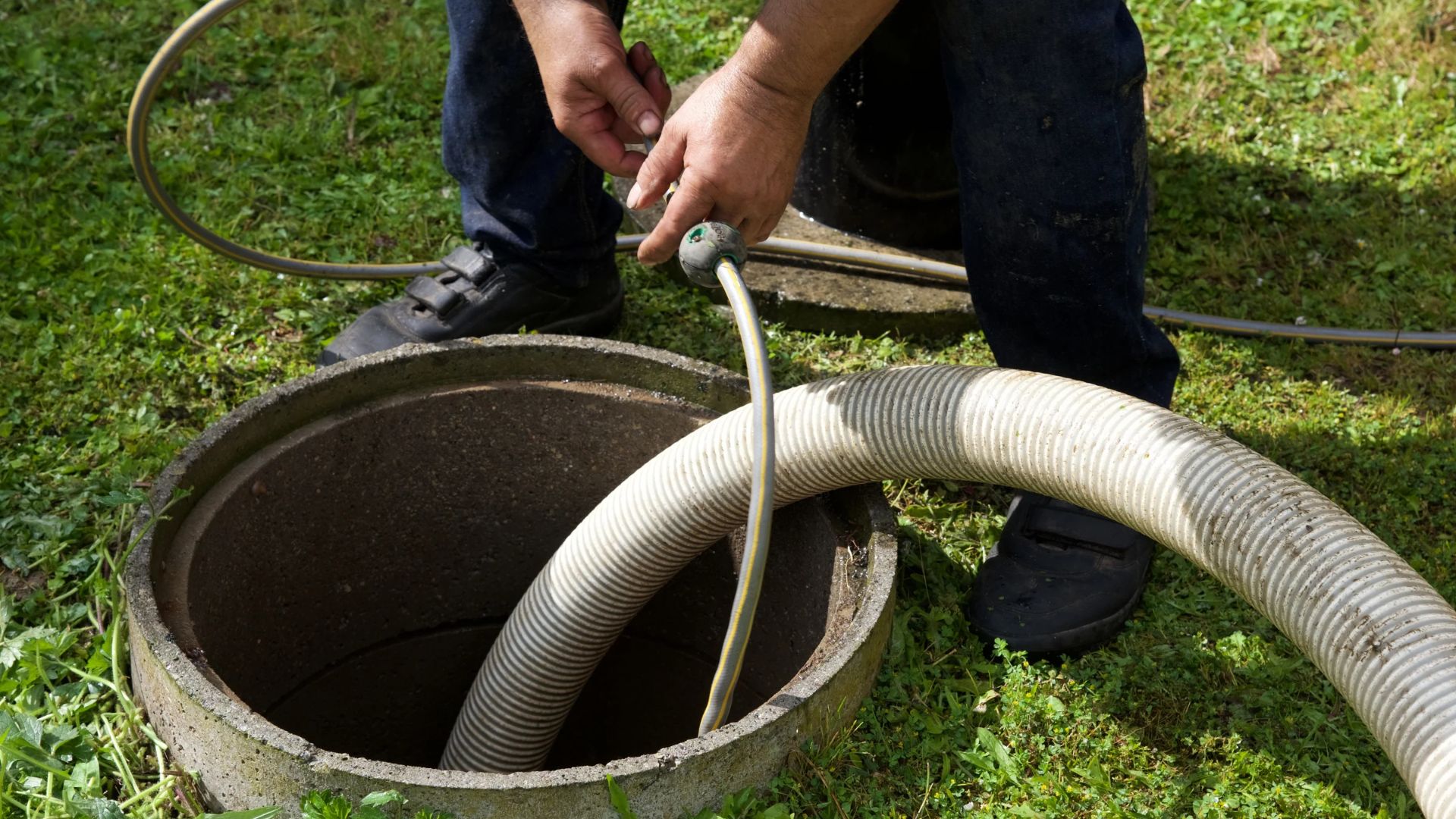
Many Brookfield homes rely on private septic systems, so the system underground can carry as much weight in a sale as the roof or furnace. These are the reasons it draws so much attention from buyers and sellers.
Problems Stay Hidden Until Late
A septic system works underground, so trouble often goes unnoticed until a backup, a soggy patch of lawn, or an inspection report brings it up. A buyer who learns about an issue after going under contract has less time to react, which is why many sellers and buyers look at the system early.
Repairs Need Local Approval
In Brookfield, the Health Department enforces the Connecticut Public Health Code for septic systems. A new or repaired system needs an approved plan, a licensed installer’s permit, and a final Sanitarian inspection before a Permit to Discharge is granted. A repair can add time to a closing timeline.
Maintenance History Builds Buyer Confidence
The Brookfield Health Department recommends pumping the tank every two years and having it inspected as needed. Pumping receipts and past inspection reports show a buyer that the system has been cared for, which can ease concerns about septic inspection cost and repair risk.
Older Homes Often Come With Incomplete Records
Older homes, including many near Candlewood Lake, may have systems installed decades ago and paperwork that is incomplete. Missing permits or drawings make the system harder to evaluate, which is one reason buyers and sellers in northern Fairfield County often want a professional look before closing. Inherited properties add another wrinkle, since heirs often know little about the system’s history when selling an inherited house in Connecticut through probate.
Septic Findings Can Shape Negotiations
An inspection result can influence price, repair requests, and closing credits, which carries real weight in Brookfield real estate in the $600K to $800K range. Knowing the system’s condition before negotiating gives both sides a clearer basis for those conversations, especially when a home sale involves a septic system that needs work.
Septic Inspection Cost: What Shapes the Estimate

Septic inspection cost depends on the system, the property, and how thorough the inspection needs to be. No single price fits every Brookfield, New Fairfield, or Sherman home, so treat any number you see online as a starting point for a conversation with a licensed inspector. These are the factors that move the estimate.
Level of Inspection
A basic visual check costs less than a full inspection that opens the tank and tests the drainfield. The more a buyer or lender wants verified, the higher the estimate tends to go.
| Inspection Scope | What May Be Included | Cost Direction |
| Basic visual inspection | Locating components, checking for surface signs of trouble | $ |
| Full inspection with pumping | Opening the tank, measuring sludge and scum, checking baffles | $$ |
| Full inspection with hydraulic load test | Running measured water through the system to see how the drainfield responds | to $ |
| Added camera work or excavation | Scoping pipes or uncovering parts of the drainfield | $$$ and up |
Testing Method
A hydraulic load test takes more time and equipment than a visual review. A hydraulic load test is an add-on that raises the overall cost of a real estate inspection. For a septic inspection for a home sale, many buyers consider the added testing worth it because it shows how the drainfield is actually performing.
Tank Size and Access
Buried or hard-to-find lids take extra time to locate and uncover. Larger tanks and systems with several components can also increase the scope of the visit.
System Type and Components
A conventional tank and drainfield is a different job than a system with pumps, alarms, or advanced treatment. More components mean more to check, which can affect the estimate.
Pumping Needs
Pumping is often priced separately from the inspection itself. If the tank is full enough that the inspector cannot evaluate it properly, pumping may be needed before the inspection can be completed.
Timing and Scheduling
Tight closing timelines can limit inspector availability and narrow your options. Pricing can also shift by inspector and season, so request written quotes that spell out exactly what is and is not included.
When to Schedule a Septic Inspection for a Home Sale
Timing matters as much as cost. Inspectors, pumpers, and installers book up, and a repair can take weeks once a plan needs health department approval.
Timing for Sellers
Sellers gain the most by inspecting before the home goes on the market. A report in hand lets you price with real information, fix small items on your own schedule, and answer buyer questions without scrambling. Pulling together permits, as-built drawings, and pumping receipts at the same time helps, and each item belongs on a Brookfield pre-listing checklist for sellers preparing to list.
Timing for Buyers
Buyers should place the septic inspection inside the inspection contingency window written into the purchase agreement. Waiting until the final days can leave no room to negotiate or get quotes.
What Connecticut Requires
Septic inspections tied to real estate transactions are not required statewide in Connecticut, according to published state guidance. Local requirements and lender conditions can differ, so confirm with the Brookfield Health Department or the health department serving the town where you are buying or selling.
What Septic Inspectors Check
A typical septic inspection covers these checks:
- Review of permit, design, and maintenance records
- Opening and inspecting the septic tank, any pump tank, and the distribution box
- Measuring sludge and scum levels to see whether pumping is needed
- Checking the tank, inlet and outlet pipes, and effluent filter for damage or corrosion
- Verifying pumps, controls, and electrical connections
- Evaluating the drainfield for standing water or uneven drainage
- Possibly using a camera on pipes and leach lines
The drainfield deserves the closest attention. A tank can look sound while the soil beneath the drainfield is slowly losing its ability to absorb wastewater. That is why a hydraulic load test, which stresses the system with a measured volume of water, is often requested for a sale. Ask any inspector which method they use to evaluate the drainfield, and make sure the report spells it out.
What Fails and What It Signals
Most septic problems trace back to design limits or maintenance gaps. Malfunctions commonly come from inadequate soils, high groundwater, or solids that migrate from the tank into the drainfield and clog it.
Common Trouble Spots
- Drainfield saturation or clogging: The most serious and costly category, often showing up as soggy ground or slow drains.
- Tank and baffle damage: Deterioration can let solids escape toward the drainfield.
- Pump, control, or alarm problems: Often smaller repairs than a drainfield fix.
- Distribution box issues: Uneven flow can overload part of the field.
- A system that no longer fits the house: Connecticut Public Health Code Section 19-13-B100a addresses building additions and changes in use, so added bedrooms or finished space can raise questions about system capacity.
Warning Signs You Can Spot Without a Tool
Sewage backups, slow drains, gurgling pipes, odors near the tank or drainfield, and unusually lush green grass over the drainfield during dry weather all deserve a call to a licensed professional.
Who Pays for a Septic Inspection and Repairs?
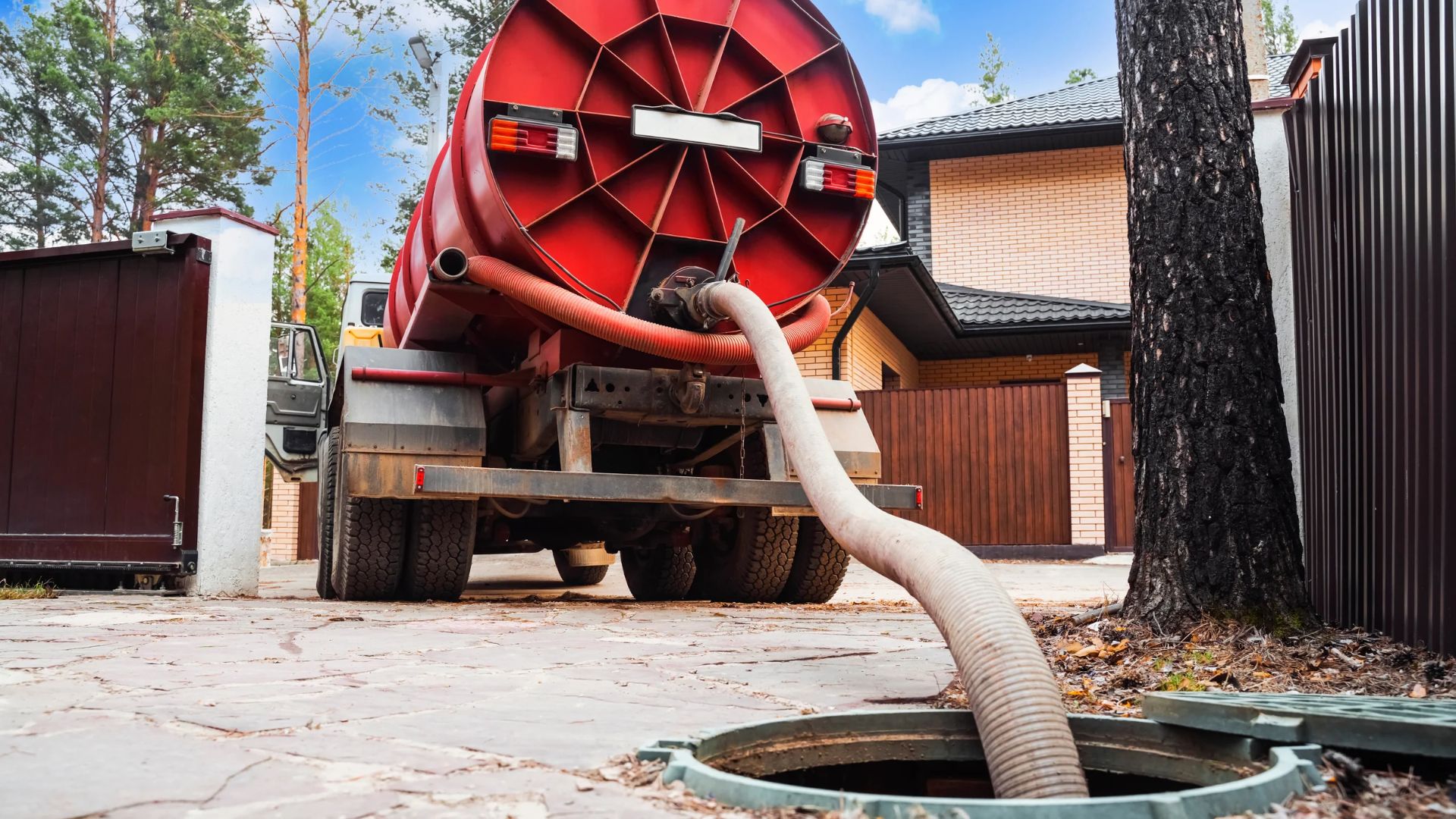
No single rule assigns the cost. In practice, it comes down to who orders the inspection and how the purchase agreement is written.
Who Orders the Inspection
- Buyer-ordered inspections: Common when the inspection is part of the buyer’s due diligence.
- Seller pre-listing inspections: Increasingly chosen by sellers who want clean information before buyers arrive.
- Repairs: Negotiated after results come in. The seller may repair, offer a credit, or adjust the price, or the buyer may accept the system as is.
Seller Disclosure Duties
Connecticut sellers must furnish the state’s Residential Property Condition Report, which asks about the sewage disposal system. A seller who gives a credit instead of the report is still not excused from disclosing certain known defects. When a seller knows about a problem, the safest path is to disclose it and let the negotiation address it. A real estate attorney can explain the specific duties in a given transaction.
What Happens If the Septic System Fails Inspection
A failed result changes the conversation, but it rarely ends it. The next steps usually run in this order:
- Get specifics. Ask the inspector what failed, how serious it is, and whether the finding is repairable.
- Obtain repair quotes. A licensed installer can estimate whether the fix is minor, like a pump or filter, or major, like drainfield work.
- Involve the health department. Repairs generally require approval and a permit. In Brookfield, the Sanitarian reviews plans and inspects completed work before the Permit to Discharge is issued.
- Decide how to allocate the work. Options include a seller repair before closing, a price reduction, a closing credit, or a negotiated timeline.
- Review your contract rights. Buyers should check what their inspection contingency allows, ideally with an attorney’s guidance.
Because repair plans must meet the Public Health Code, the scope and cost depend on soils, lot conditions, and local approval. That is why written quotes and early health department contact save time.
How to Sell a House With a Septic System in Brookfield, CT
Selling a house with a septic system does not need to be complicated. Sellers who prepare ahead tend to field fewer buyer concerns, and a documented system reads as a well-cared-for one. Buyers comparing Brookfield, Danbury, Newtown, and New Milford homes often ask about septic early, which is another reason documentation helps.
- Gather your records. Permits, drawings, pumping receipts, and past inspection reports belong in one folder. Your local health department may hold records for the property.
- Consider a pre-listing inspection. A current report lets you price and negotiate with facts.
- Address small items first. Pumping, filter service, or minor pump repairs can remove easy objections.
- Disclose accurately. Complete the Residential Property Condition Report honestly.
- Share the report early. Buyers who see documentation up front are less likely to treat the septic system as a mystery.
Frequently Asked Questions
Does a standard home inspection include the septic system?
Usually not. A general home inspection focuses on the structure and visible systems, so a septic inspection for a home sale is typically ordered separately from a specialist. Confirm the scope in writing before the inspection window closes.
How long is a septic inspection report good for?
There is no single rule. Lenders, buyers, and local health departments may each have their own expectations, and conditions can change after a major repair or heavy use. Ask the parties involved how recent the report needs to be.
Can a septic inspection be done in winter?
Often yes, but frozen or snow-covered ground can limit access to the tank and drainfield. Some testing may be harder or delayed in cold weather, so ask the inspector what is practical before you book.
Is a septic inspection worth the cost for a newer system?
Usually, yes. A newer system is not guaranteed to be trouble free, since installation quality, usage, and maintenance all affect performance. An inspection gives buyers and sellers a documented starting point either way.
Does a septic inspection include the private well?
No. Well water and the well itself are typically evaluated separately from the septic system. Many homes in the area have both, so buyers often schedule the two reviews together and confirm each scope in writing, along with the rest of a Connecticut home inspection checklist for septic, well, and radon.
Talk With Lavelle RE/MAX Before You List or Make an Offer
Septic findings are easier to handle when your agent understands both the paperwork and the local market. Our team at Lavelle RE/MAX helps buyers and sellers across Brookfield, New Fairfield, Sherman, and the surrounding towns line up inspections, read results in context, and negotiate with clear priorities.
If you want to talk through timing, inspection strategy, or how a septic system may affect your price, we are glad to help. You can also explore our guide to buying a home before you reach out.
Related Posts


